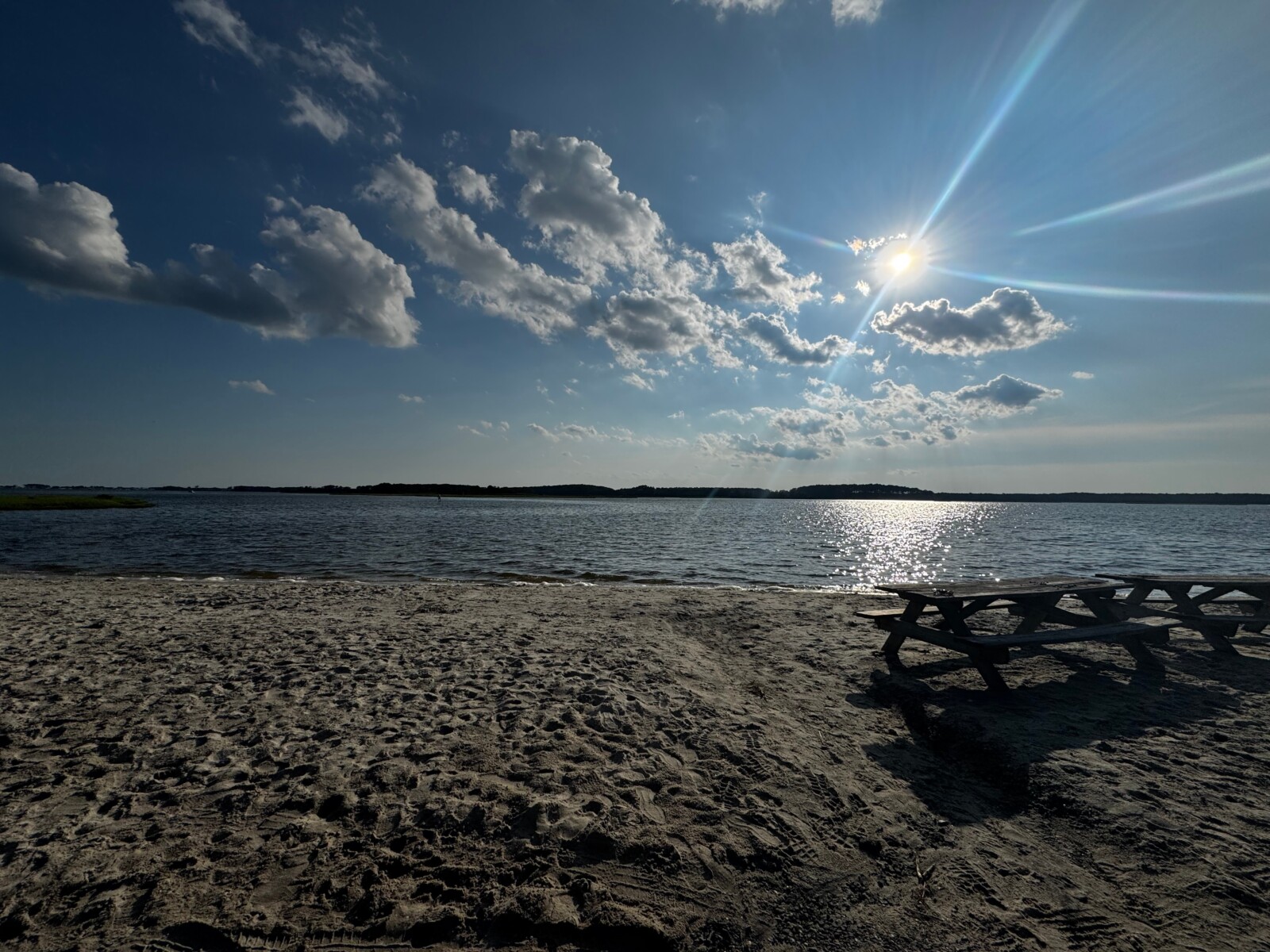
Fenwick Island, Delaware, is a beloved coastal community known for its peaceful charm, sandy beaches, and family-friendly atmosphere. It stands as one of the best destinations for a relaxing escape along the Atlantic Coast, offering visitors a glimpse into both natural beauty and rich history. While it’s famous today for its laid-back lifestyle and beautiful Fenwick Island vacation rentals, this area’s past tells a fascinating story of colonial disputes, maritime heritage, and transformation from wilderness to a welcoming resort town.
In this post, we’ll explore how Fenwick Island came to be—from its early days as a boundary landmark to its growth into one of the Delaware beaches’ most treasured getaways.
Early Ownership and Colonial Disputes
The story of Fenwick Island begins long before it became a tourist destination. During the 1600s and 1700s, ownership of the land that is now Fenwick Island was hotly contested. Early settlers and colonial governments from Maryland and Delaware both claimed the territory, leading to confusion over which colony actually owned it.
The island was named after Thomas Fenwick, an English planter who received a land grant in the 1600s. However, some historical accounts suggest Fenwick himself may never have actually lived on or developed the island that would later bear his name. For decades, disputes between Lord Baltimore’s Maryland colony and William Penn’s Delaware persisted. It wasn’t until the establishment of the “Transpeninsular Line” in the 18th century that Fenwick Island was officially recognized as part of Delaware.
This line, marked by the famous Fenwick Stone Monument, still stands today—a reminder of the colonial boundaries that shaped the mid-Atlantic coast.
Fenwick Island’s Early Forms and Isolation
In its early days, Fenwick Island was far from the thriving vacation spot we know now. The island was largely untouched, consisting of windswept dunes, salt marshes, and thick maritime forests. Early settlers found the land harsh and isolated, with limited access to the mainland and little infrastructure.
Most of the region’s early activity revolved around fishing, farming, and small-scale trading. The surrounding Assawoman Bay provided both food and transportation, but storms and flooding made life unpredictable. For much of the 19th century, the island remained sparsely populated and quiet—a far cry from the bustling scene visitors enjoy during summer stays in Delaware Beach vacation rentals today.
Isolation helped preserve Fenwick Island’s natural beauty. Its untouched landscapes would later become one of its greatest assets as tourism began to grow.
Beacon of Safety: Fenwick Island Lighthouse
A significant turning point in Fenwick Island’s history came with the construction of the Fenwick Island Lighthouse in 1858. The area’s dangerous shoals and unpredictable weather had caused countless shipwrecks off the Delaware coast. The lighthouse was built to serve as a guiding light for mariners traveling along the Atlantic shipping routes.
Standing 87 feet tall, the brick tower was fitted with a fourth-order Fresnel lens that beamed light for miles across the ocean. The lighthouse not only improved ship safety but also marked Fenwick Island as a place of growing importance.
Throughout the years, the lighthouse keepers became part of the local fabric—weathering storms, rescuing sailors, and maintaining the beacon that guided vessels home. Today, the lighthouse remains one of Fenwick Island’s most cherished historical landmarks. Visitors can explore the grounds, learn about maritime history, and imagine what life was like for the early lighthouse keepers. It’s one of the most popular things to do on Fenwick Island for anyone interested in history and scenic views.

Incorporation and Local Governance
By the mid-20th century, Fenwick Island began to evolve from a remote area into a small community. In 1953, residents officially incorporated the town of Fenwick Island to protect its identity and maintain local control. The incorporation allowed residents to govern their land use, enforce zoning, and preserve the peaceful, small-town character that defines the area to this day.
This was a period of growth for many Delaware beach towns, as improved roads and bridges made coastal areas more accessible. The creation of Route 1 helped link Fenwick Island with neighboring towns like Bethany Beach and Ocean City, Maryland, encouraging tourism and property development.
While the town remained relatively modest in size, incorporation gave it the foundation to manage its own growth responsibly—ensuring that even as it welcomed visitors, it retained its quiet charm.
World War II and the State Park Emergence
World War II brought significant changes to Delaware’s coastline, including Fenwick Island. Coastal areas were heavily monitored for national defense purposes, with observation towers and patrols scanning the Atlantic for enemy submarines. After the war, the federal government retained ownership of some coastal lands, many of which later became part of Delaware Seashore State Park.
In the 1960s, the state officially established Fenwick Island State Park, protecting over 300 acres of beach, dunes, and marshlands. The park created new opportunities for recreation, fishing, and conservation, turning Fenwick Island into a place where visitors could enjoy both nature and relaxation.
The establishment of the park also spurred interest in Fenwick Island rentals, as more travelers sought accommodations close to the ocean and outdoor activities.
From Coastal Retreat to Quiet Resort Town
During the latter half of the 20th century, Fenwick Island transformed from a sparsely developed area into a quiet coastal retreat. Vacationers discovered the town’s unspoiled beaches and family-friendly atmosphere, preferring its peaceful pace compared to nearby Ocean City’s nightlife.
Homes and cottages began to line the streets, and small local businesses opened to serve seasonal visitors. Despite growth, the community maintained its dedication to preserving the environment and keeping development low-scale. This balance between accessibility and tranquility has helped Fenwick Island remain one of Delaware’s most beloved beach destinations.
Today, visitors come for calm waters, local seafood restaurants, and family fun. Whether kayaking on the bay, enjoying the boardwalk nearby, or exploring local shops, there are endless things to do on Fenwick Island that appeal to all ages.
Fenwick Island Today: Heritage Meets Leisure
Modern Fenwick Island blends historic charm with contemporary comfort. The community continues to protect its dunes and waterways while welcoming visitors to experience its serene beaches and local culture. Vacationers can choose from a wide range of Fenwick Island pet-friendly rentals, making it easy for families to travel with their four-legged companions.
Despite its popularity, Fenwick Island has retained its peaceful atmosphere—offering a break from busier resort towns while keeping visitors close to attractions in both Delaware and Maryland. The town’s proximity to Assawoman Bay and the Atlantic Ocean provides the perfect setting for boating, paddleboarding, and fishing.
Throughout the year, small-town events, farmers’ markets, and cultural activities keep the community vibrant. And thanks to careful planning, the same natural beauty that drew early settlers continues to define the island’s appeal.
Plan Your Stay
Discover Fenwick Island’s coastal charm and rich history, then relax in comfort with Long & Foster’s top vacation rentals for the perfect Delaware beach getaway.
Final Thoughts
From colonial disputes and maritime heritage to modern coastal living, Fenwick Island’s story reflects resilience and appreciation for nature. What started as a remote, windblown stretch of land has become one of Delaware’s most cherished beach communities. Visitors today enjoy the same ocean breezes and scenic views that shaped its history—along with comfortable Fenwick Island vacation rentals that make it easy to experience the area’s charm firsthand.
Whether you’re drawn by its history, its beaches, or simply its peaceful pace, Fenwick Island offers something for everyone.
Book Your Fenwick Island Vacation Rental with Long & Foster
At Long & Foster, we’re proud to help guests discover the beauty and history of Delaware’s coastal towns. We offer a wide variety of Delaware Beach vacation rentals, including homes in Bethany Beach, Dewey Beach, Fenwick Island, and Rehoboth Beach. No matter where you’d like to stay, we have the perfect accommodations for you—whether you’re looking for oceanfront luxury, cozy family homes, or Fenwick Island pet-friendly rentals that welcome every member of the family.When you book with us, you’re not just reserving a place to stay—you’re creating lasting memories along one of the East Coast’s most beautiful stretches of shoreline. Explore our Fenwick Island rentals today and start planning your next coastal getaway with Long & Foster.