Ocean City, Maryland, has grown from a small fishing village into one of the East Coast’s most beloved beach destinations. Over the decades, it has become synonymous with summer vacations, boardwalk strolls, and salty ocean breezes. What began as a quiet stretch of barrier island now welcomes millions of visitors each year to enjoy sun, sand, and surf.
Its story is one of resilience, community, and transformation—a journey that mirrors the growth of America’s coastal leisure culture.
Early Roots: Indigenous Peoples and Colonial Grants
Long before the first hotels and Ocean City vacation rentals appeared, this coastal area was home to Indigenous peoples, primarily the Assateague and Nanticoke tribes. They relied on the surrounding bays and ocean for fishing, shellfish, and trade. The natural barrier island offered abundant wildlife and served as a seasonal resource for centuries.
European colonists arrived in the 17th century, and by the 1600s, English land grants had begun dividing the region into large tracts for settlement and agriculture. The land that would become Ocean City remained mostly undeveloped for generations, valued more for its natural resources than its tourism potential. Early colonists fished and hunted along the coast but left the sandy barrier island largely untouched, allowing the environment to remain pristine well into the 19th century.
Dawn of Tourism: Isaac Coffin and the Birth of a Resort
Ocean City’s transformation began in 1869 when local businessman Isaac Coffin opened the first boarding house on the island. His small establishment could accommodate just a few guests, but it marked the beginning of a new era. Visitors, primarily from Berlin and Snow Hill, came by ferry or horse-drawn carriage to enjoy ocean breezes and seaside relaxation.
Word spread quickly about the natural beauty and refreshing climate, and soon more boarding houses and small hotels appeared. In 1875, the Atlantic Hotel opened, setting a new standard for seaside hospitality. With its grand architecture and ocean views, it attracted guests from across the region, laying the foundation for Ocean City’s reputation as a summer resort.
These early years saw families and travelers embracing the idea of the “summer retreat.” People came for health, leisure, and a sense of escape. What started as a modest coastal stop evolved into a thriving destination that continues to define Maryland’s Atlantic coast.
Railroads, Life-Saving, and the Boardwalk
The arrival of the railroad in 1878 revolutionized Ocean City. The rail line connected the town to major cities like Baltimore and Philadelphia, making it far easier for visitors to travel. This surge in accessibility sparked the town’s first real building boom.
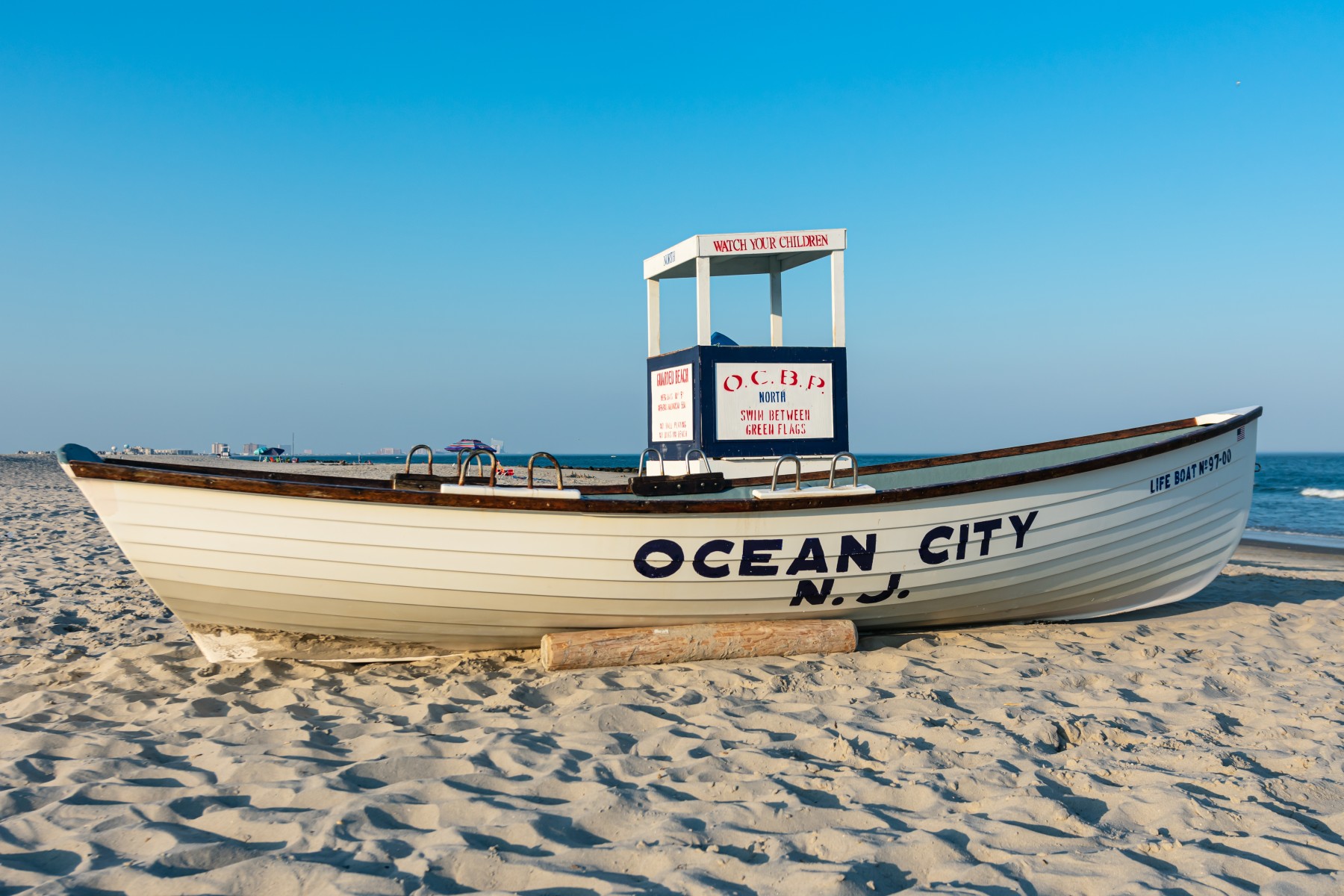
Around the same time, the U.S. Life-Saving Service established a station on the island, enhancing safety for sailors and beachgoers. The service would later become part of the U.S. Coast Guard, an enduring symbol of Ocean City’s maritime heritage.
In 1902, residents built the first Ocean City boardwalk, a simple wooden walkway designed to protect hotels from sand and provide a pleasant path for strolling. Over time, it became a defining feature of the town. The boardwalk was expanded, rebuilt after storms, and lined with shops, arcades, and eateries—transforming it into one of America’s most famous seaside promenades.

Fires, Storms, and the Birth of the Inlet
Ocean City’s growth was not without challenges. In 1925, a devastating fire swept through downtown, destroying much of the business district and several hotels. The town quickly rebuilt, demonstrating the resilience that would define it in the decades to come.
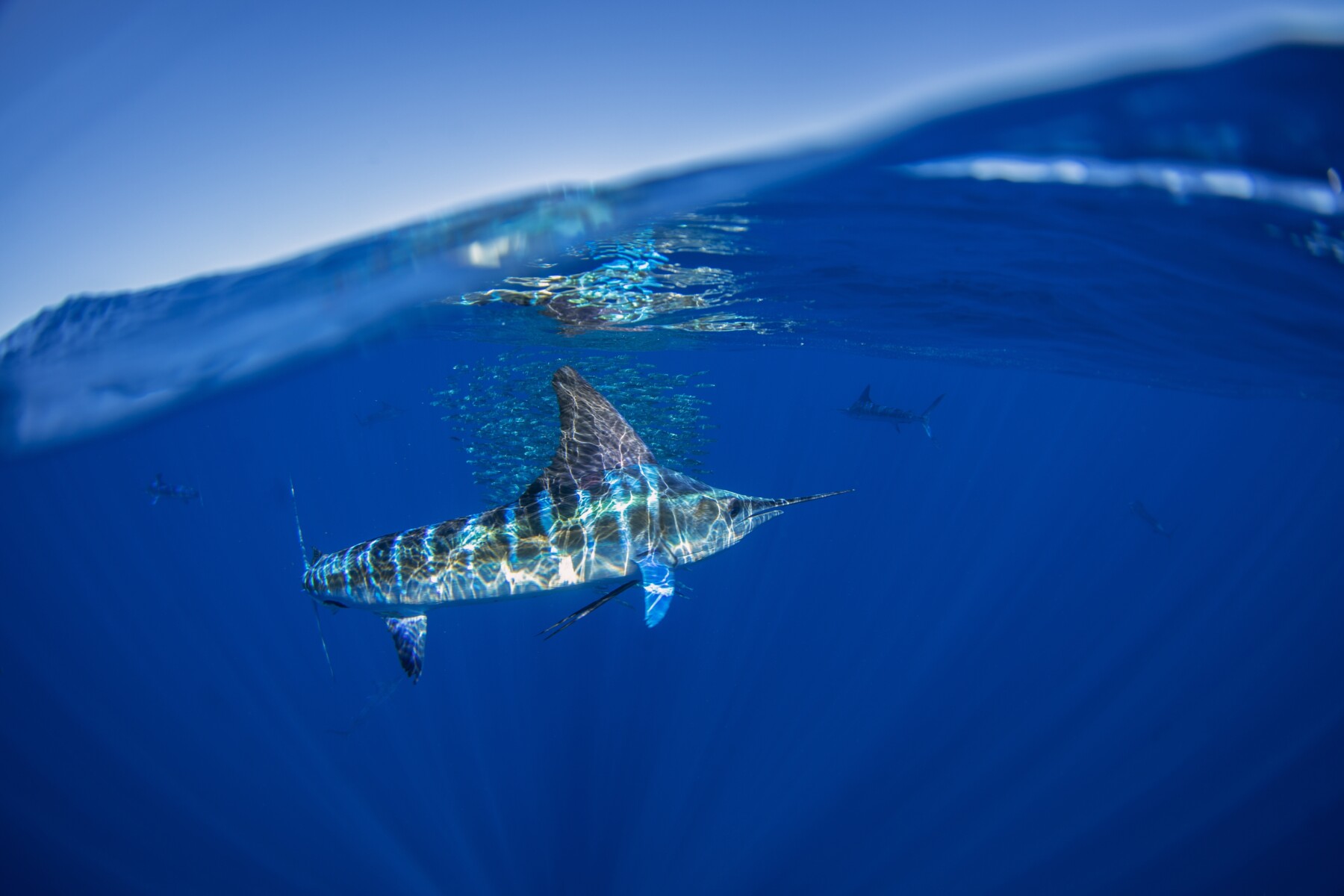
Another central turning point came in 1933, when a powerful hurricane carved out the Ocean City Inlet, permanently separating the town from Assateague Island. Although destructive at the time, this natural event proved to be a blessing. The newly formed inlet made the area a premier destination for boating and fishing in Ocean City.
The U.S. Army Corps of Engineers later reinforced the inlet with jetties, ensuring it would remain open year-round. This improvement led to the establishment of a vibrant commercial and recreational fishing industry that remains vital to Ocean City’s identity today.
Midcentury Boom: Bridges, Condominiums, and Year-Round Growth
After World War II, Ocean City experienced a surge in development. The construction of the Chesapeake Bay Bridge in 1952 made travel from central Maryland and Washington, D.C., much easier. Suddenly, day-trippers and weekend visitors could reach the beach in just a few hours.
The 1960s and 1970s brought even more change. Ocean City expanded northward, and the skyline began to rise with the construction of hotels and Ocean City condo rentals. These new accommodations offered modern amenities and stunning ocean views, attracting families, retirees, and investors alike.
As tourism flourished, Ocean City evolved from a summer-only resort into a year-round community. Local businesses adapted to serve residents and visitors, and cultural events such as Sunfest and Springfest began drawing crowds beyond the traditional summer season.
Amusements: Trimper’s and Jolly Roger
No history of Ocean City would be complete without mentioning its legendary amusement parks. Trimper’s Rides, one of the oldest family-owned amusement parks in the United States, has delighted generations since the late 19th century. Located near the southern end of the boardwalk, its carousel, Ferris wheel, and classic rides remain icons of summer fun.
In the 1960s, Jolly Roger Amusement Park joined the scene, bringing roller coasters, water slides, and go-karts to the northern end of town. Together, these attractions helped define things to do in Ocean City, MD, entertaining visitors of all ages. The combination of beaches, amusements, and the charm of a small seaside town continues to make Ocean City a timeless vacation destination.
Preserving History: Museums and Heritage Sites
Ocean City’s residents have taken great pride in preserving the town’s heritage. The Ocean City Life-Saving Station Museum, located at the south end of the boardwalk, tells the story of the brave surfmen who once risked their lives rescuing shipwrecked sailors. Visitors can explore exhibits about early tourism, storms, and local wildlife.
Other historical landmarks, such as the Inlet Indian sculpture and restored cottages from the early 1900s, serve as reminders of the town’s roots. These sites not only preserve history but also foster a sense of community identity amid the modern growth and development that defines Ocean City today.
Ocean City Today
Modern Ocean City is a dynamic blend of tradition and progress. With miles of sandy beaches, countless restaurants, and family-friendly attractions, it remains Maryland’s crown jewel of coastal tourism. Vacationers can choose from hotels, condos, and rentals in Ocean City that fit every lifestyle and budget.
The boardwalk continues to serve as the town’s heartbeat, with arcades, eateries, and entertainment that bring together generations of visitors. Festivals, art shows, and live music events keep the community vibrant year-round. Ocean City’s dedication to hospitality, recreation, and safety ensures that every visitor experiences the best of Maryland’s shoreline.
Legacy of Nature: The Inlet and Coastal Stewardship
The Ocean City Inlet continues to shape the town’s landscape and economy. It remains vital for boating and fishing while also influencing local ecology and coastal management. Ongoing efforts to protect dunes, manage erosion, and maintain clean waters highlight the town’s commitment to sustainability.
Ocean City’s leadership works closely with environmental organizations and state agencies to safeguard its natural beauty for future generations. This balance of growth and preservation has allowed Ocean City to thrive while maintaining its connection to the natural world that first drew visitors more than a century ago.
Final Thoughts
From its beginnings as a quiet fishing settlement to its present as a beloved coastal resort, Ocean City, Maryland, has always been shaped by its people, landscape, and the sea. Its story is one of adaptation and enduring charm—a testament to how communities can evolve while staying true to their roots. Whether you come for the history, the Ocean City boardwalk, or the sound of waves rolling onto the sand, Ocean City’s past and present blend seamlessly to create a destination unlike any other on the East Coast.
Plan Your Stay
Discover Ocean City’s vibrant history and beachside fun, then unwind in comfort with Long & Foster’s top vacation and condo rentals—your ideal home at the shore.
Book Your Ocean City MD Rentals with Long & Foster
When planning your next beach getaway, let Long & Foster help you find the perfect place to stay. Our selection of Ocean City vacation rentals and Ocean City condo rentals offers comfort, convenience, and proximity to everything this historic town has to offer. From cozy bayside accommodations to oceanfront condos with breathtaking views, we make it easy to find accommodations that fit your lifestyle.
At Long & Foster, we’re more than a vacation rental company—we’re your trusted partner in experiencing Ocean City. With local expertise, personalized service, and a long-standing commitment to quality, we ensure that every stay is stress-free and memorable. Discover the history, enjoy the beaches, and create lasting memories with Long & Foster, your home at the shore.